
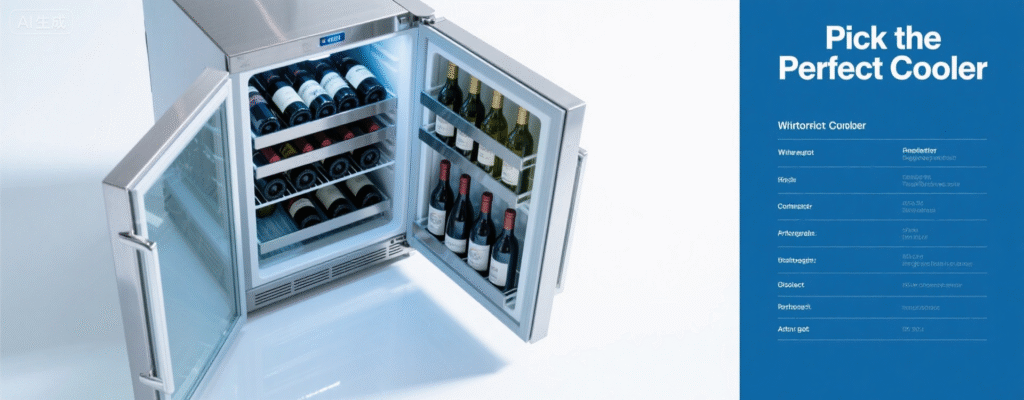
For any wine enthusiast, proper storage is non-negotiable. A dedicated wine fridge stand alone unit is the ultimate solution, moving beyond the limitations of a standard kitchen refrigerator. This article will guide you through the essential benefits of these specialized appliances and provide a clear framework for selecting the perfect model to protect and age your collection.
The Undeniable Advantages of a Dedicated Wine Cooler
Unlike a typical kitchen fridge, which is designed to keep food dry and at near-freezing temperatures, a standalone wine cooler is engineered for the specific needs of wine. The core benefit lies in its ability to maintain a consistent, ideal temperature, typically between 45°F and 65°F. A 2021 study by the University of California, Davis, Department of Viticulture and Enology confirmed that temperature fluctuations are one of the primary causes of premature wine aging and spoilage, as they accelerate chemical reactions and can compromise the cork’s seal.
Furthermore, these units control humidity levels, keeping them around 50-70%. This prevents corks from drying out and letting oxygen in, which would oxidize and ruin the wine. Many models also feature UV-protected glass doors to shield your bottles from light, another known enemy of wine stability. Vibration is minimized through advanced compressor systems, ensuring the sediment in older wines remains undisturbed—a critical factor for proper aging that your regular refrigerator completely ignores.
Choosing the Right Model for Your Needs
Selecting the right wine fridge stand alone cooler involves considering several key factors. First, decide between a compressor-based or thermoelectric cooling system. Compressor coolers are more powerful, better for larger units or warmer environments, while thermoelectric models are quieter, vibration-free, and ideal for smaller collections.
Next, consider the configuration:
- Single Zone: Perfect if you primarily drink one type of wine, as it maintains a single temperature throughout.
- Dual Zone: Essential for collectors who enjoy both reds and whites, allowing you to set two different temperatures simultaneously.
Finally, assess your space and capacity. Freestanding units offer flexible placement but require adequate ventilation, while built-in models integrate seamlessly into cabinetry. Measure your space carefully and choose a capacity that not only fits your current collection but also allows for future growth.
In summary, investing in a wine fridge stand alone is a critical step for any serious wine drinker, offering precise temperature control, optimal humidity, and protection from light and vibration—all factors scientifically proven to preserve wine integrity. By carefully considering your cooling needs, storage configuration, and spatial requirements, you can select a unit that will expertly safeguard your collection. This ensures every bottle you open is enjoyed exactly as the winemaker intended.