
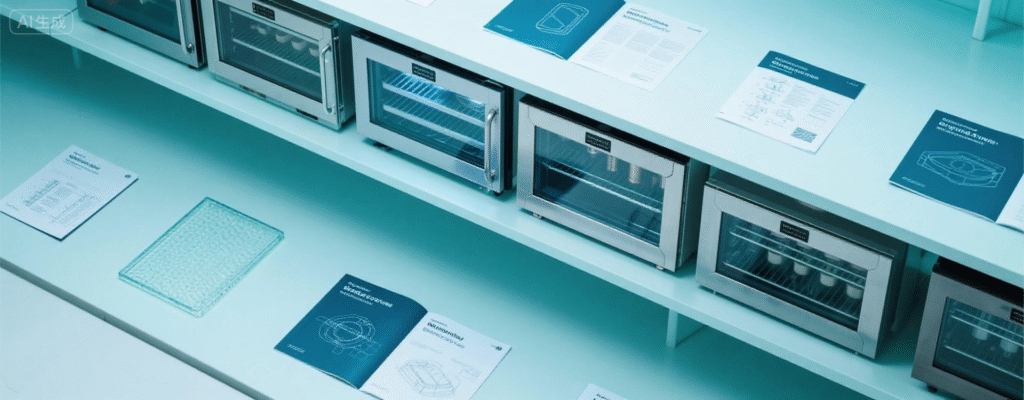
For wine enthusiasts, proper storage is non-negotiable. Wine refrigerators undercounter offer a seamless solution, integrating directly into your kitchen or bar cabinetry. This guide explores the critical benefits of these specialized appliances and provides essential criteria for selecting the perfect model to protect and age your collection with precision, ensuring every bottle is served at its ideal moment.
The Undeniable Advantages of Integrated Cooling
Unlike freestanding units, undercounter wine refrigerators are designed for built-in installation, creating a streamlined and sophisticated look. Beyond aesthetics, they provide a consistently stable environment, which is the cornerstone of proper wine preservation. Major studies, including research published by the American Journal of Enology and Viticulture, have consistently shown that temperature fluctuations are a primary cause of wine spoilage, leading to premature aging and oxidized flavors. By maintaining a set temperature, typically between 45°F and 65°F, these coolers protect the wine’s delicate chemical balance. Furthermore, they often feature UV-protected glass doors to shield your collection from light, and specialized vibration-dampening compressors to prevent disturbing the sediment in aging wines, a feature standard kitchen refrigerators lack.
Selecting Your Perfect Undercounter Unit
Choosing the right model requires careful consideration of your collection’s needs. Focus on these key aspects:
- Capacity and Configuration: Assess the number of bottles you need to store. Units range from compact 30-bottle capacities to expansive 100-bottle models. Also, decide between a single-zone unit, ideal for storing all reds or all whites, or a dual-zone model, which allows you to maintain two different temperatures simultaneously for a mixed collection.
- Cooling Technology and Insulation: Look for models utilizing thermoelectric or compressor-based cooling. Compressor systems are generally more powerful and better for larger units or warmer climates, while thermoelectric units are quieter and vibration-free. Effective insulation is equally crucial for maintaining temperature stability and energy efficiency.
- Fit and Finish: Precise measurements are vital for a seamless installation. Ensure you account for ventilation requirements, typically a few inches at the rear and sides. When exploring your options for a new wine refrigerator undercounter, pay close attention to the door style and handle to ensure it complements your existing cabinetry and kitchen design aesthetic.
In summary, a dedicated built in undercounter wine cooler is an indispensable investment for any serious wine collector. It moves beyond mere convenience, providing the scientifically-backed, stable conditions required for both short-term enjoyment and long-term aging. By prioritizing consistent temperature control, protection from light and vibration, and selecting a model that fits your specific capacity and design needs, you can confidently build a wine storage system that preserves the integrity and enhances the flavor of every bottle in your collection.