
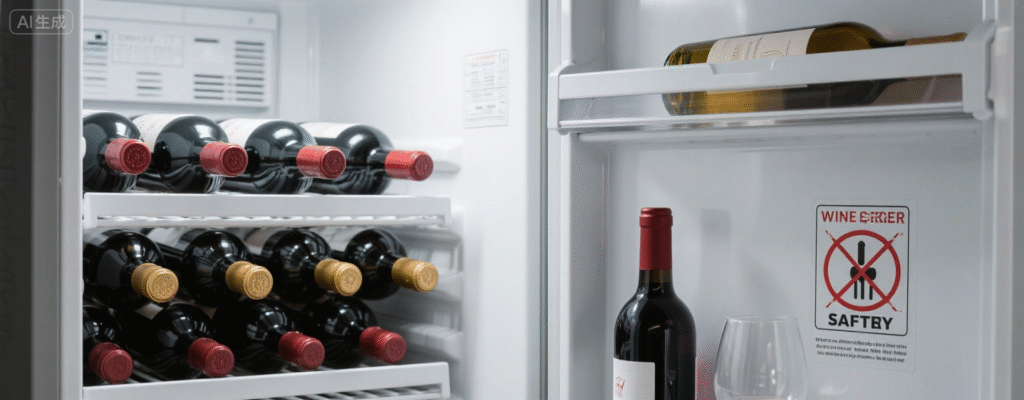
For wine lovers, proper storage is paramount. But what happens when you need to chill a bottle in a hurry? The idea of using a freezer as a makeshift wine cooler is a common, yet risky, shortcut. This article explores the significant dangers of this practice and contrasts it with the controlled, safe environment provided by a dedicated freezer wine cooler, ensuring your wine is always served at its best.
The Perils of the Freezer: A Recipe for Ruined Wine
Placing a bottle of wine in a standard kitchen freezer is a gamble with very poor odds. The primary risk is the wine freezing and expanding, which can push the cork out or, in the case of a screwcap, compromise the seal. This immediately exposes the wine to oxygen, leading to rapid oxidation and spoilage. A 2019 study published in the Journal of Agricultural and Food Chemistry confirmed that temperature fluctuations and oxygen exposure are the two most significant factors in the chemical degradation of wine, resulting in flat aromas and a vinegar-like taste.
Beyond spoilage, a frozen and expanded wine can cause the glass bottle to crack or shatter, creating a hazardous mess inside your appliance. Even if the wine doesn’t fully freeze, the extreme cold numbs its delicate flavors and aromas, making it taste closed and unexpressive. The freezer is an uncontrolled environment that treats all wines the same, unlike a purpose-built wine cooler designed to preserve nuance.
The Superior Solution: Precision Cooling with a Dedicated Unit
The definitive alternative to the freezer is a dedicated wine cooler or refrigerator. These appliances are engineered specifically for wine storage, offering precise temperature control that a standard freezer cannot match. Most wines are best stored between 45°F and 65°F (7°C and 18°C), and a dedicated unit allows you to set and maintain this ideal range consistently, preventing the thermal shock that occurs in a freezer.
Furthermore, high-quality wine coolers offer features completely absent in a freezer. These include:
- Humidity Control: Prevents corks from drying out and letting air into the bottle.
- UV-Protected Glass: Shields wine from light, which can cause it to become “light-struck” and develop unpleasant aromas.
- Vibration Reduction: Minimizes agitation, allowing sediments to settle and the wine to age gracefully.
This controlled ecosystem is why serious collectors and sommeliers unanimously recommend against using a freezer for anything beyond a very brief, closely monitored chilling session.
In conclusion, while the freezer offers a quick fix, it poses a substantial threat to the integrity of your wine, from flavor degradation to physical bottle damage. The science of oenology clearly shows that stable, cool temperatures are non-negotiable for preservation. Investing in a dedicated wine cooling unit is the only reliable method to protect your investment, ensure every bottle tastes as the winemaker intended, and enjoy perfectly chilled wine without the risk.