
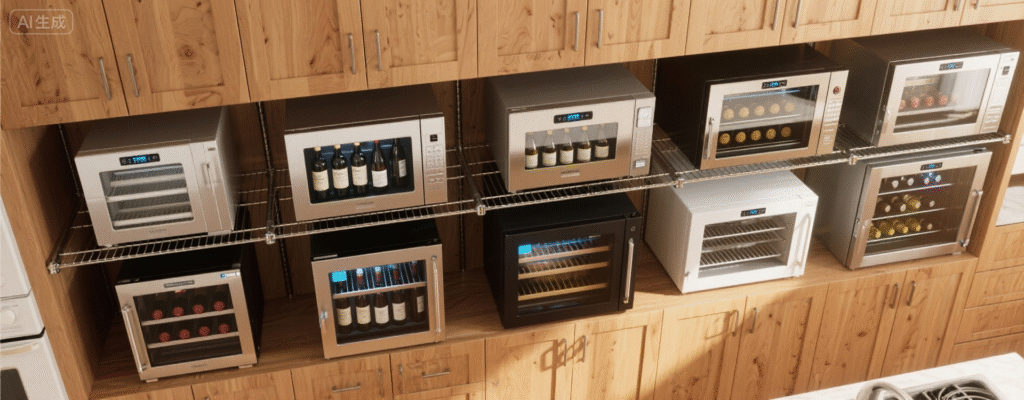
Integrating a kitchen wine fridge is no longer a luxury reserved for connoisseurs; it has become a central feature in modern kitchen design. This article explores the key considerations for selecting the perfect unit, from capacity and cooling technology to design integration. We will also guide you through the strategic placement options to ensure your wine is not only preserved impeccably but also showcased beautifully.
Choosing the Right Kitchen Wine Fridge: Capacity and Cooling
Selecting the ideal kitchen wine fridge begins with two fundamental considerations: capacity and cooling technology. Capacity is typically measured in bottles, with compact units holding 12-20 bottles and larger freestanding or built-in models accommodating 50 or more. Assess your collecting habits—do you buy by the case or pick up a few special bottles at a time? A 2023 report by the Wine Market Council indicated a trend towards “curated collections” at home, with enthusiasts owning an average of 30-40 bottles, underscoring the need for a properly sized unit.
More critical than capacity is the cooling system. The two main types are:
- Thermoelectric Cooling: Known for being vibration-free and quiet, making it ideal for short-term storage of reds. However, it can struggle in warmer kitchen environments.
- Compressor-Based Cooling: Offers powerful, consistent cooling and is better suited for long-term aging and fluctuating ambient temperatures. Modern compressors are designed to minimize harmful vibration, a concern highlighted in a study by the University of California, Davis Department of Viticulture and Enology, which has shown that constant vibration can degrade wine quality over time.
Integration and Placement for Form and Function
Once you’ve chosen the right type of wine cooler, the next step is seamless integration into your kitchen’s layout and design. The primary placement options are built-in and freestanding. Built-in models are designed for a streamlined look, often fitting under a counter or within a cabinet, and require front-venting to dissipate heat. Freestanding units offer more flexibility but need adequate clearance at the back and sides for ventilation.
Consider the ergonomics and aesthetics. Placing your wine refrigerator near an entertainment area or dining space makes it a functional centerpiece. For a truly integrated look, match the unit’s finish to your existing cabinetry or choose a stainless steel model to complement your other appliances. Glass doors, often dual-paned to protect against UV light, allow you to display your collection while ensuring it remains at a constant temperature, marrying form with function perfectly.
In summary, a kitchen wine fridge is a significant investment that enhances both the utility and elegance of your home. The key is to prioritize your needs, starting with an appropriate capacity and a reliable, compressor-based cooling system for optimal preservation. By carefully considering the placement and integration of the unit, you can ensure it serves as both a practical storage solution and a stylish design element, perfectly safeguarding your valuable collection for years to come.