
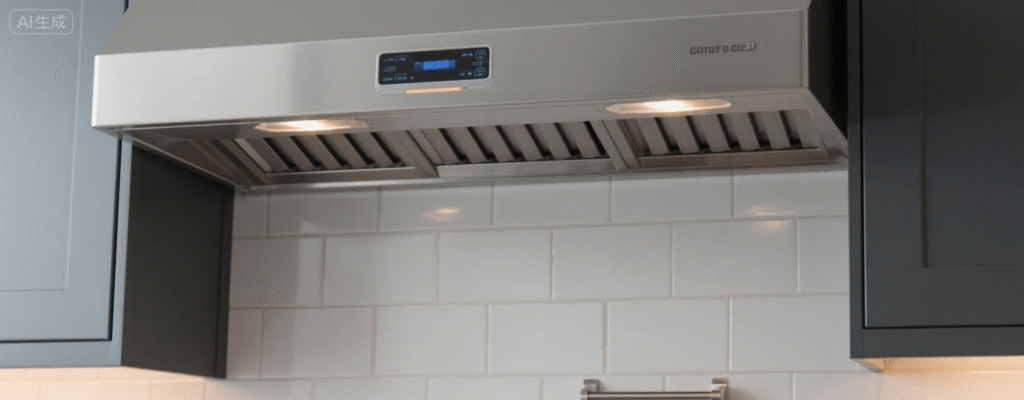
For many homeowners, a powerful kitchen ventilation system is essential, but installing traditional ductwork is not always feasible. This is where the vent hood ductless system becomes a compelling solution. This article explores the technology behind these popular hoods, detailing their core advantages and inherent limitations to help you determine if a ductless range hood is the right fit for your culinary space and lifestyle.
The Inner Workings of a Ductless Hood
Unlike their ducted counterparts that expel air outside, a ductless recirculating hood operates on a closed-loop system. It pulls grease and smoke-laden air upward through a series of filters, cleans it, and then recirculates the air back into the kitchen. The process relies on a two-stage filtration system. First, a metal grease filter, typically made of aluminum or stainless-steel mesh, captures the bulk of the airborne grease particles and cooking spatter.
The second and most critical stage involves activated carbon filters. These filters are responsible for odor removal. The porous surface of the carbon, which is often derived from charcoal or coconut shells, adsorbs odors and vapors from the air as it passes through. It is crucial to note that these filters are consumables; a 2018 study by the Home Ventilating Institute (HVI) emphasized that failing to replace clogged carbon filters regularly, typically every 4 to 6 months with regular use, renders the unit ineffective at controlling smoke and household odors.
Weighing the Pros and Cons
The primary advantage of a ductless vent hood is its unparalleled installation flexibility. Since no ductwork is required, it can be installed virtually anywhere, making it ideal for apartments, interior kitchens, or homes where adding a duct is structurally complicated or prohibitively expensive. This also makes them a generally more affordable option upfront when considering both unit and installation costs.
However, this convenience comes with significant trade-offs. The most notable limitation is reduced efficiency. Because the air is not expelled, heat, moisture, and all cooking byproducts remain in the home. This can be a major drawback for those who frequently engage in high-heat cooking, as it can lead to increased ambient temperature and humidity levels. Furthermore, while effective for light cooking, these systems often struggle to completely eliminate strong odors from foods like fish or fried dishes. For serious home chefs, a vent hood ductless model may not provide the performance needed for a truly comfortable and odor-free kitchen environment.
In summary, vent hood ductless units offer a practical and flexible ventilation solution where traditional ducting is impossible. Their effectiveness hinges on a diligent maintenance routine for the carbon filters. While perfect for light to moderate cooking in open-plan homes, their inability to remove heat and moisture makes them less suitable for powerful stoves or intensive culinary tasks. Ultimately, your cooking habits and kitchen layout will determine if the convenience of a ductless system outweighs its performance limitations.